
Pressure Infusion Support for Emergency and Blood Transfusion Centers
Learn how a pressure infusion bag adds visible external pressure around a compatible fluid or blood-product container and where that support fits into an emergency transfusion workflow.

What a pressure infusion bag does in this setting
In an emergency department or blood transfusion center, a pressure infusion bag surrounds a compatible flexible fluid or blood-product container and applies adjustable pressure from the outside. This can support pressure-assisted delivery after the clinical team has decided it is appropriate, especially when gravity alone may not provide the planned support. The device does not select the blood component, confirm compatibility, warm blood, control an exact flow rate or replace patient observation.
What problems can a pressure infusion bag help the team manage?
A pressure bag adds controlled external pressure around a compatible fluid container. In the right workflow, that simple function can make preparation, observation and handoff easier to organize.
Reduce dependence on hanging height
External pressure can help the team rely less on how high a compatible container can be positioned during a crowded or time-sensitive transfusion setup.
Keep applied pressure easy to observe
A visible gauge gives trained staff a clear reference while they also check the container, tubing, vascular access and patient response.
Make preparation and handoff more consistent
A defined device check helps teams communicate the model, pressure, remaining volume, line condition and changes already made.
How does the pressure bag support the workflow?
Why might a team use one?
Gravity-driven delivery depends on container height and the resistance created by the fluid, tubing and vascular access. When the approved clinical plan calls for pressure assistance, a pressure bag adds a manual, adjustable push around the compatible container.
What happens inside the bag?
Inflating the outer bladder makes it press evenly against the flexible container. This pressure helps move fluid into the administration set. The gauge shows pressure inside the pressure bag; it does not show the patient's blood pressure or confirm how much blood or fluid reaches the patient.
When can it be useful?
It may be considered for selected emergency fluid or blood-component workflows when the complete setup is compatible and trained staff can observe it continuously. It is not automatically appropriate for every transfusion, patient, blood component or vascular access device.
Who uses and observes it?
Emergency physicians, transfusion specialists, nurses, anesthesia or critical care teams and other trained professionals working under the institution's transfusion policy and the instructions for every component in the system.
Why is there no single setting for every case?
There is no universal page-level setting because the blood component, container, administration set, catheter, access site and clinical objective all affect the system. Teams must use the limits defined by the exact device labeling, component instructions, clinical order and local transfusion policy.
Important: A pressure bag supports a wider clinical system. It does not decide whether an infusion is needed, measure patient blood pressure, guarantee a flow rate or replace the product IFU and local clinical policy.
Where the pressure bag fits from preparation to handoff
The bag contributes external pressure, visibility and a repeatable checkpoint. The clinical decision and patient assessment remain with trained professionals.
- 1
Confirm the clinician-directed indication, patient identification, blood component or fluid, compatibility checks and approved transfusion pathway.
- 2
Select the exact pressure-bag model and capacity; inspect the bladder, sleeve, bulb, valves, gauge, hanging point and labeling.
- 3
Load the compatible flexible container securely while keeping the outlet, labels and remaining volume visible.
- 4
Prepare and prime the administration system according to transfusion policy, including the required filter, tubing, access and air-removal steps.
- 5
Increase external pressure gradually only within the combined limits of the clinical plan, product IFUs and institutional policy.
- 6
Observe pressure, remaining volume, tubing, access site, patient condition and possible transfusion reactions throughout use.
- 7
Depressurize before changing or removing the container, then document and hand off the device status and observations.
The pressure bag works as part of the care environment
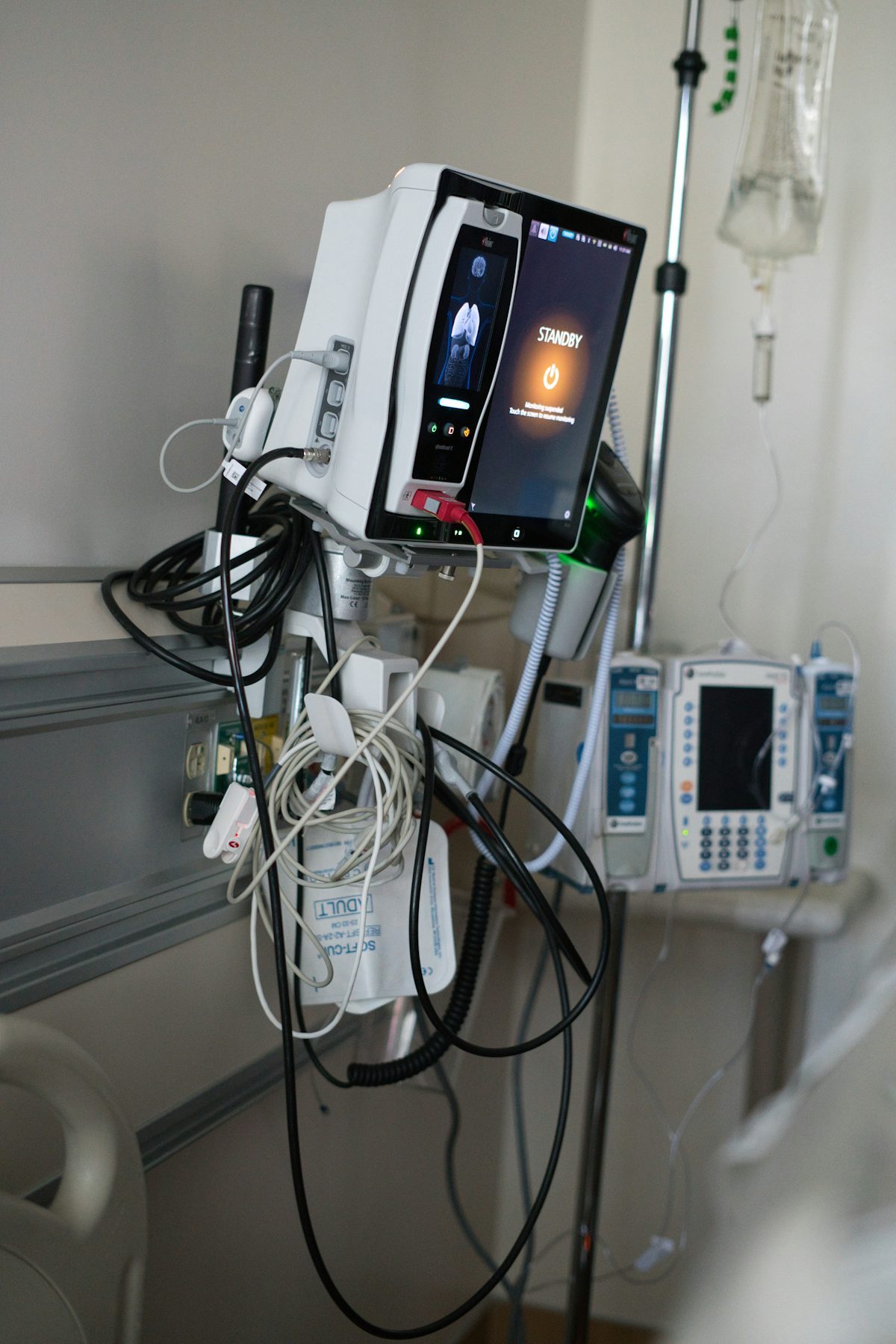
The fluid container, tubing, access, monitoring, people and transport conditions all affect how the complete system performs.
Choose the pressure bag by the job it needs to do
Evaluate InfuSure® pressure infusion bags by the emergency and transfusion job they need to support. Request the exact model, intended use, capacity, gauge range, container compatibility, material information, cleaning or disposal instructions, traceability and current market documentation before selection.
Confirm the intended use and current model IFU
Match the capacity and configuration to the workflow
Check visibility, handling and observation needs
Plan cleaning, replacement and traceability
Questions teams often ask
Can a pressure infusion bag be used with every blood transfusion?
No. The clinical team must confirm that pressure-assisted delivery is appropriate for the patient, blood component, container, administration set, access and institutional pathway.
Does the gauge show the patient's blood pressure or exact transfusion rate?
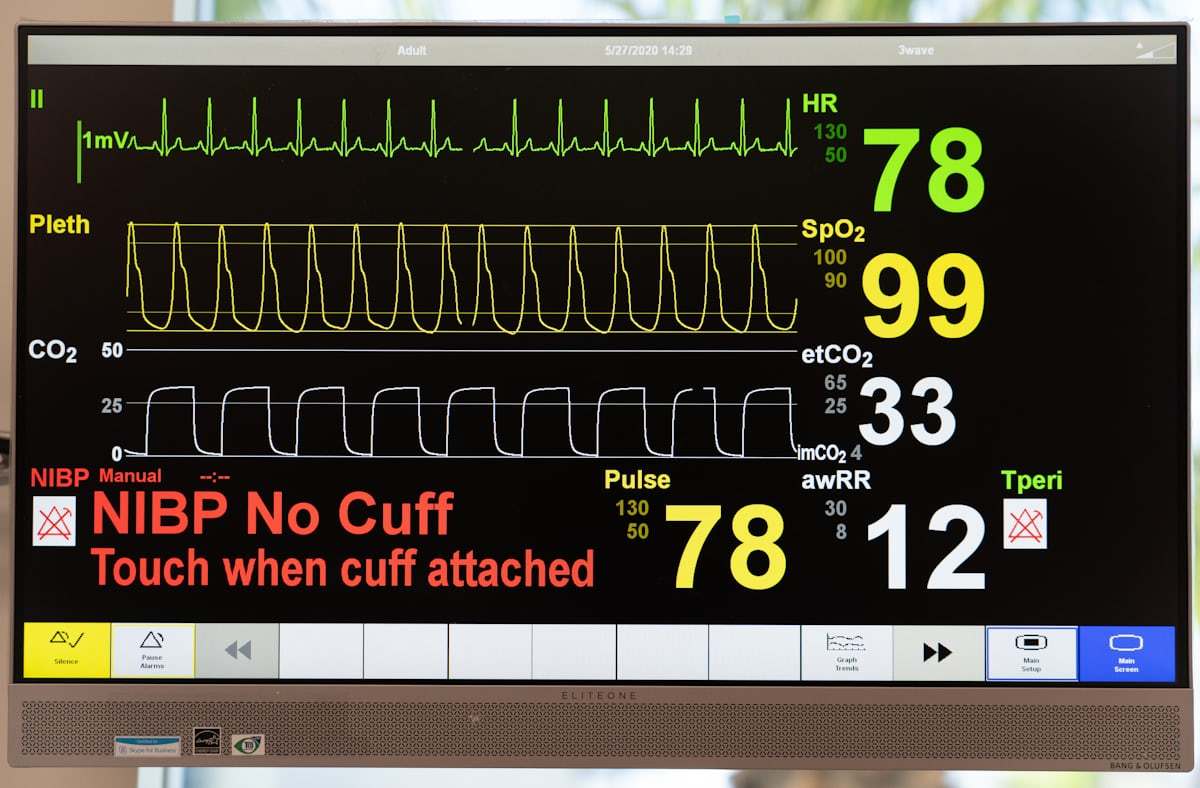
No. It shows pressure inside the pressure bag. Flow still depends on the complete system, and patient monitoring remains separate.
What should be requested from InfuSure®?
Request model-specific intended use, IFU, capacity, pressure range, compatibility information, materials, cleaning or disposal guidance, traceability and market documentation.
Review the exact configuration before selection
Share your institution type, country or market, intended scenario, reusable or disposable preference, current system, estimated quantity and documentation needs.
Contact an InfuSure® specialist
Please feel free to contact our representatives via email:
sales@kk-bioscience.comEmail our representatives