
MR Conditional Pressure Infusion Bag Use: A Verification-led MRI Workflow
Learn what an MR Conditional pressure bag can contribute during imaging, which conditions must match the label, and why the complete infusion chain still needs approval.
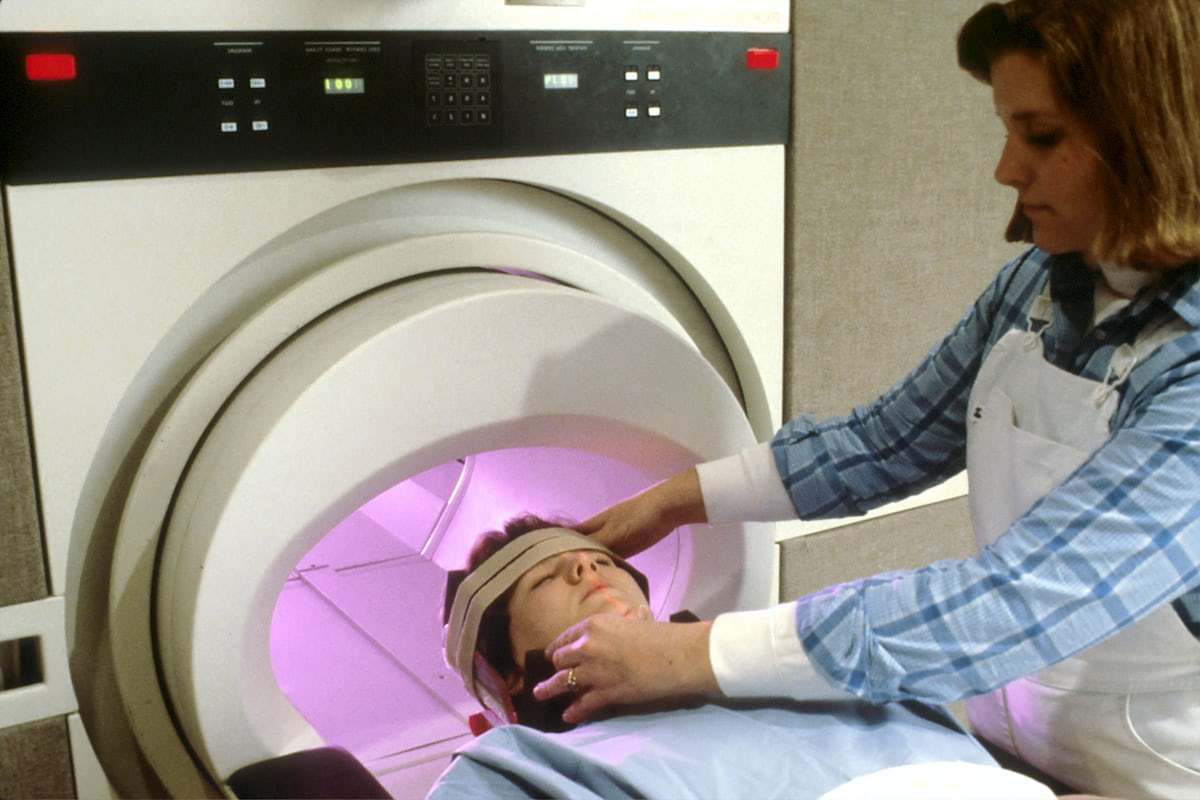
What a pressure infusion bag does in this setting
In MRI, a pressure bag can provide manual external pressure around a compatible fluid container without relying on a powered infusion device at the bedside. Its main value is only valid when the exact model is formally labeled MR Conditional and every stated condition is met. “MR Conditional” does not mean the device is safe in every scanner, room or position.
What problems can a pressure infusion bag help the team manage?
A pressure bag adds controlled external pressure around a compatible fluid container. In the right workflow, that simple function can make preparation, observation and handoff easier to organize.
Offer pressure support in a restricted environment
A verified MR Conditional model may give the team a manual pressure source in the specific scanner conditions and location allowed by its labeling.
Make the allowed conditions explicit
The model label turns a vague claim such as “MRI compatible” into a checklist of field strength, location, distance, position and accessory limits.
Support a whole-system safety check
The bag becomes one clearly identified component in a chain that also includes the fluid container, tubing, hook, connector, pump or sensor.
How does the pressure bag support the workflow?
Why might a team use one?
Some patients still need an infusion or pressure-monitoring workflow during imaging. A verified pressure bag may provide pressure support while helping the team avoid bringing an unapproved powered or magnetic component into the controlled MR environment.
What happens inside the bag?
The fluid principle is the same: an air bladder presses a flexible container. What changes in MRI is the safety question—whether that exact bag, gauge and accessory set has been evaluated for the scanner conditions and location where the team wants to use it.
When can it be useful?
It can be considered only after the exact model, current MR Conditional label and IFU are available, every condition matches the planned scan, and authorized MR safety personnel approve the setup. Appearance or a supplier’s general “MRI compatible” claim is not enough.
Who uses and observes it?
MRI technologists, radiologists, MR safety officers, anesthesia or critical care teams and clinical engineering personnel working together under the institution’s MR safety program.
Why is there no single setting for every case?
For MRI, the important numbers are not only bag pressure. Teams must also match the labeled field strength, spatial gradient, distance, location, positioning and accessory limits. These values must come from the exact model label and current IFU.
Important: A pressure bag supports a wider clinical system. It does not decide whether an infusion is needed, measure patient blood pressure, guarantee a flow rate or replace the product IFU and local clinical policy.
Where the pressure bag fits from preparation to handoff
The bag contributes external pressure, visibility and a repeatable checkpoint. The clinical decision and patient assessment remain with trained professionals.
- 1
Identify the exact device, model, batch or version and MR status from the product and packaging—not color or appearance.
- 2
Obtain the current IFU and MR label; record every field, gradient, distance, location, positioning and accessory condition.
- 3
Have the MR safety process match those conditions to the specific scanner, examination, patient plan and facility zoning.
- 4
Verify the MR status and compatibility of every fluid, tubing, connector, hook, pump, sensor and accessory in the chain.
- 5
Prepare, position, secure and route the system only in the permitted area, keeping the device visible and the patient line protected.
- 6
Complete the designated pre-scan final check for model, conditions, location, accessories, patient access and emergency removal.
- 7
Observe during scanning and re-evaluate if the device position, scanner conditions, infusion system or patient plan changes.
The pressure bag works as part of the care environment
The fluid container, tubing, access, monitoring, people and transport conditions all affect how the complete system performs.
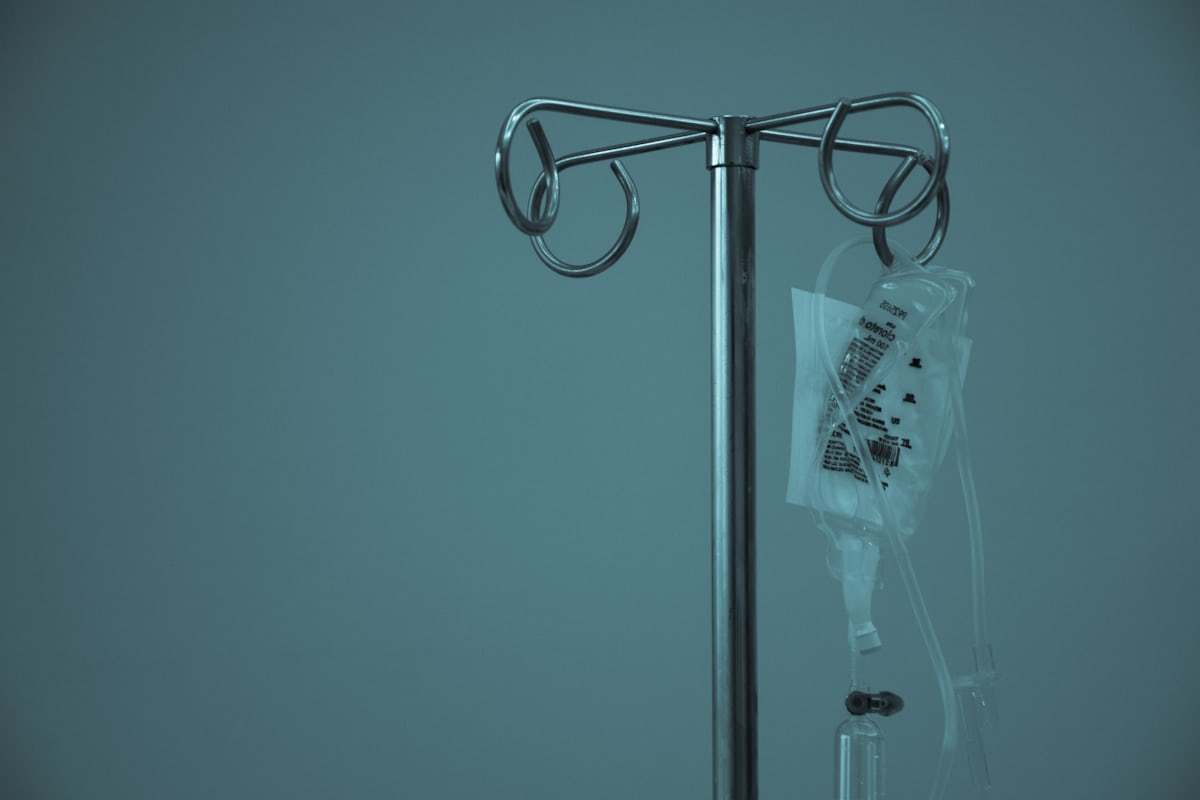
Choose the pressure bag by the job it needs to do
Request the exact InfuSure® MRI pressure-bag model identifier, current IFU, formal MR labeling and conditions, intended-use statement, accessory list, market authorization evidence and document version/date. The MR safety officer and local policy govern final release.
Confirm the intended use and current model IFU
Match the capacity and configuration to the workflow
Check visibility, handling and observation needs
Plan cleaning, replacement and traceability
Questions teams often ask
What does MR Conditional mean?
Use may be safe only under the specific conditions stated in the device labeling. It is not synonymous with universally MRI-safe.
Can a product page simply declare MRI compatibility?
No. Use formal MR safety terminology and current model-specific labeling. The institution’s MR safety process governs release.
What should be requested from InfuSure®?
Request the exact model identifier, current IFU, MR labeling and conditions, intended-use statement, authorized accessories, market evidence and traceable version date.
Review the exact configuration before selection
Share your institution type, country or market, intended scenario, reusable or disposable preference, current system, estimated quantity and documentation needs.
Contact an InfuSure® specialist
Please feel free to contact our representatives via email:
sales@kk-bioscience.comEmail our representatives