
Pressure Infusion Planning for Wilderness Rescue and On-site Medical Teams
Understand how a compact, manually powered pressure bag can support authorized field medical teams when stable hanging points and powered equipment are limited.
What a pressure infusion bag does in this setting
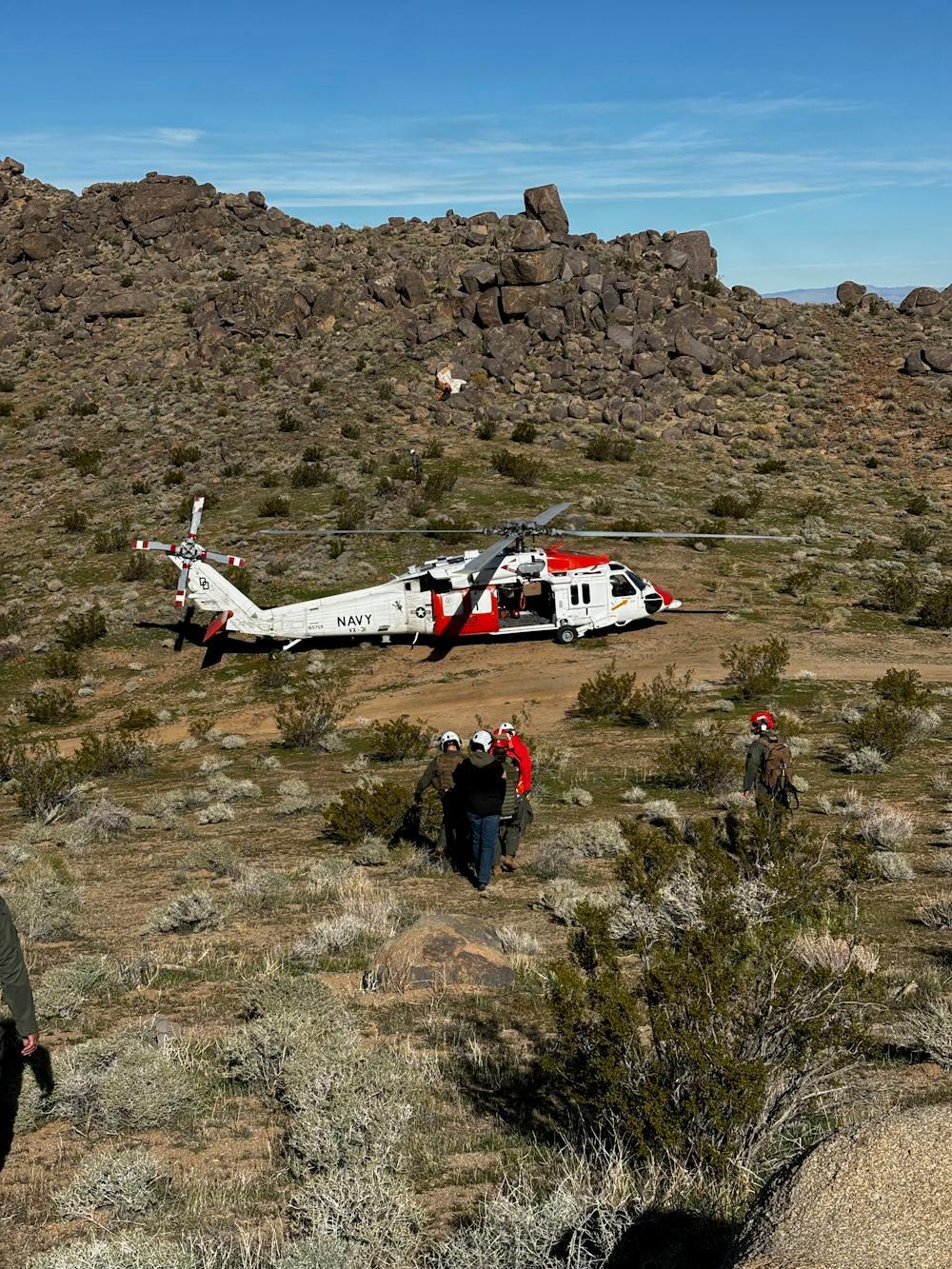
In wilderness rescue or an on-site medical post, a pressure infusion bag provides a compact, manually powered way to press a compatible fluid container. It can help when there is no reliable place to hang a bag high enough, when the team must move, or when powered equipment is unavailable. It supports trained medical care; it does not replace monitoring, medical oversight or evacuation.
What problems can a pressure infusion bag help the team manage?
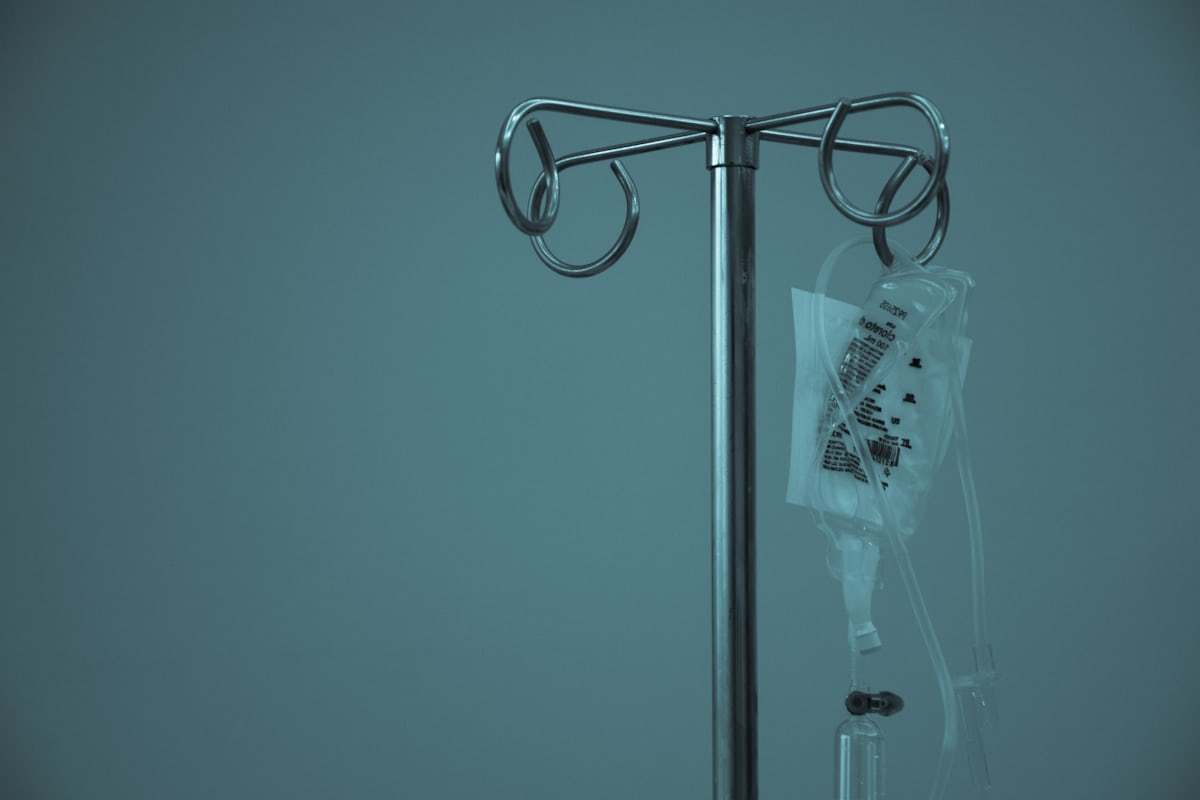
A pressure bag adds controlled external pressure around a compatible fluid container. In the right workflow, that simple function can make preparation, observation and handoff easier to organize.
Reduce dependence on a perfect hanging position
The bag supplies pressure around the container even when terrain, shelter or transport makes a stable high hook difficult to find.
Provide a simple manual pressure source
A hand bulb does not require mains power, which can make the device easier to include in remote-site and rescue equipment planning.
Keep checks organized during evacuation
A secure sleeve, visible container and defined observation points help the team track pressure, volume and tubing while moving toward higher care.
How does the pressure bag support the workflow?
Why might a team use one?
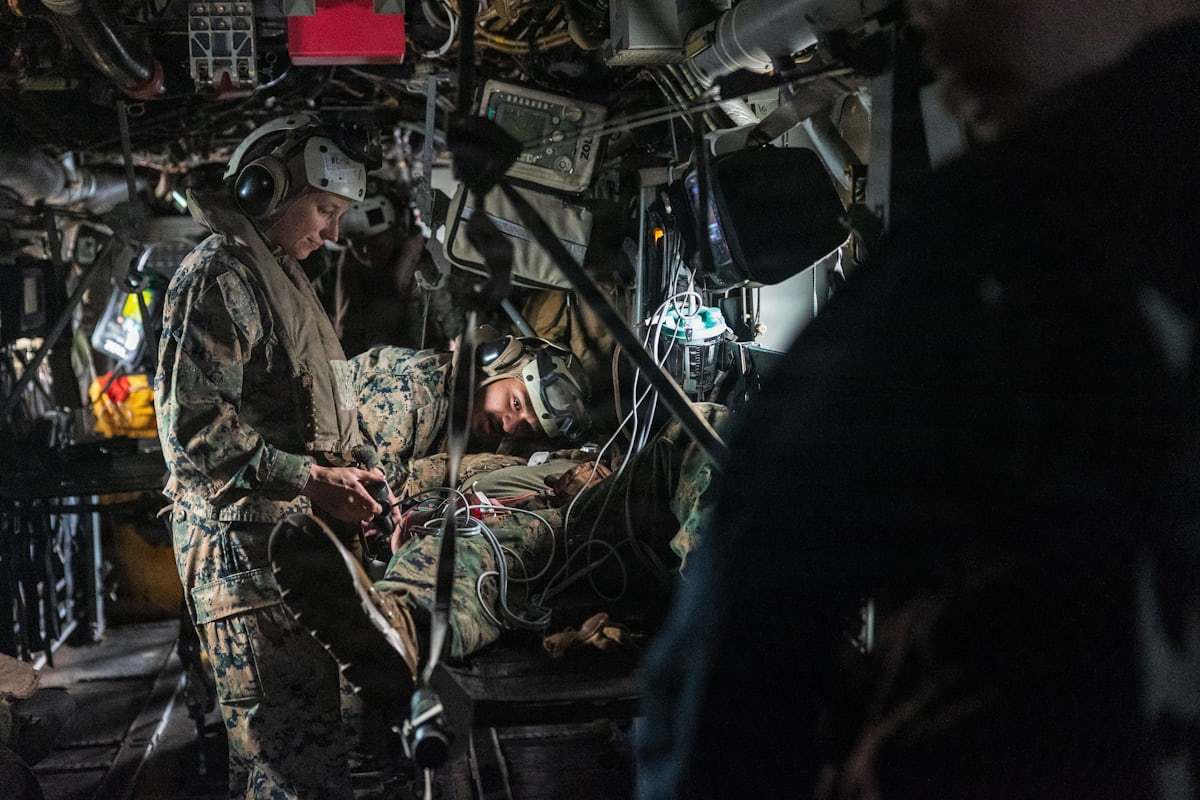
Gravity infusion depends on height, but field teams may be working in a tent, vehicle, steep terrain or a confined rescue space. A pressure bag adds a portable source of external pressure when the authorized plan requires it.
What happens inside the bag?
Air from the hand bulb expands a bladder around the fluid container. The bladder presses the container and helps move fluid into the tubing. The gauge reports bag pressure only, so the team must still watch the complete system and the patient.
When can it be useful?
It may be useful when trained medical staff, compatible equipment, a monitoring plan and an evacuation route are already in place. It is not intended for untrained expedition participants or for use with damaged, contaminated or unidentified equipment.
Who uses and observes it?
Authorized wilderness medicine clinicians, rescue medical teams, industrial site medical staff and disaster-response professionals operating under an approved medical plan.
Why is there no single setting for every case?
Temperature, tubing, access, fluid and movement can all affect performance. Pressure limits must come from the clinical plan and exact model IFU. For purchasing, the practical questions are capacity, packability, gauge visibility, gloved handling, storage, cleaning and resupply.
Important: A pressure bag supports a wider clinical system. It does not decide whether an infusion is needed, measure patient blood pressure, guarantee a flow rate or replace the product IFU and local clinical policy.
Where the pressure bag fits from preparation to handoff
The bag contributes external pressure, visibility and a repeatable checkpoint. The clinical decision and patient assessment remain with trained professionals.
- 1
Define mission medical oversight, scope of practice, likely use cases, transport intervals and evacuation triggers.
- 2
Select and document the exact model, capacity and compatible system for the destination and environmental conditions.
- 3
Inspect packaging and every component before deployment; protect equipment from contamination, abrasion and extreme conditions.
- 4
Secure the bag and tubing where the gauge, remaining volume and access site stay visible during field movement.
- 5
Apply pressure only under the clinical plan and model-specific IFU; never infer flow from gauge pressure alone.
- 6
Observe the full system and patient, communicate abnormalities and escalate to evacuation or higher capability as planned.
- 7
Depressurize, document use, quarantine damaged equipment and follow validated cleaning, disposal and resupply procedures.
The pressure bag works as part of the care environment
The fluid container, tubing, access, monitoring, people and transport conditions all affect how the complete system performs.
Choose the pressure bag by the job it needs to do
InfuSure® reusable and disposable options can be reviewed as part of mission equipment planning. Request model-specific documentation, environmental and storage information, intended use, capacity, pressure range, cleaning or disposal instructions and traceability before deployment.
Confirm the intended use and current model IFU
Match the capacity and configuration to the workflow
Check visibility, handling and observation needs
Plan cleaning, replacement and traceability
Questions teams often ask
Can this page recommend use by expedition participants?
No. The content targets authorized medical teams and should emphasize scope of practice, medical oversight, evacuation and the exact device instructions.
Reusable or disposable pressure bag?
Treat this as a workflow decision. Infection-control planning, resupply, validated cleaning, field conditions, waste handling and local regulation determine the appropriate model.
What makes product information trustworthy?
Name the reviewer and update date, state evidence limits and support every product-specific statement with current model documentation.
Review the exact configuration before selection
Share your institution type, country or market, intended scenario, reusable or disposable preference, current system, estimated quantity and documentation needs.
Contact an InfuSure® specialist
Please feel free to contact our representatives via email:
sales@kk-bioscience.comEmail our representatives