Pressure Infusion Readiness for First Aid Stations and Patient Transfer
See how a pressure infusion bag can support trained EMS teams when space, hanging height and patient movement make a gravity-only setup harder to manage.
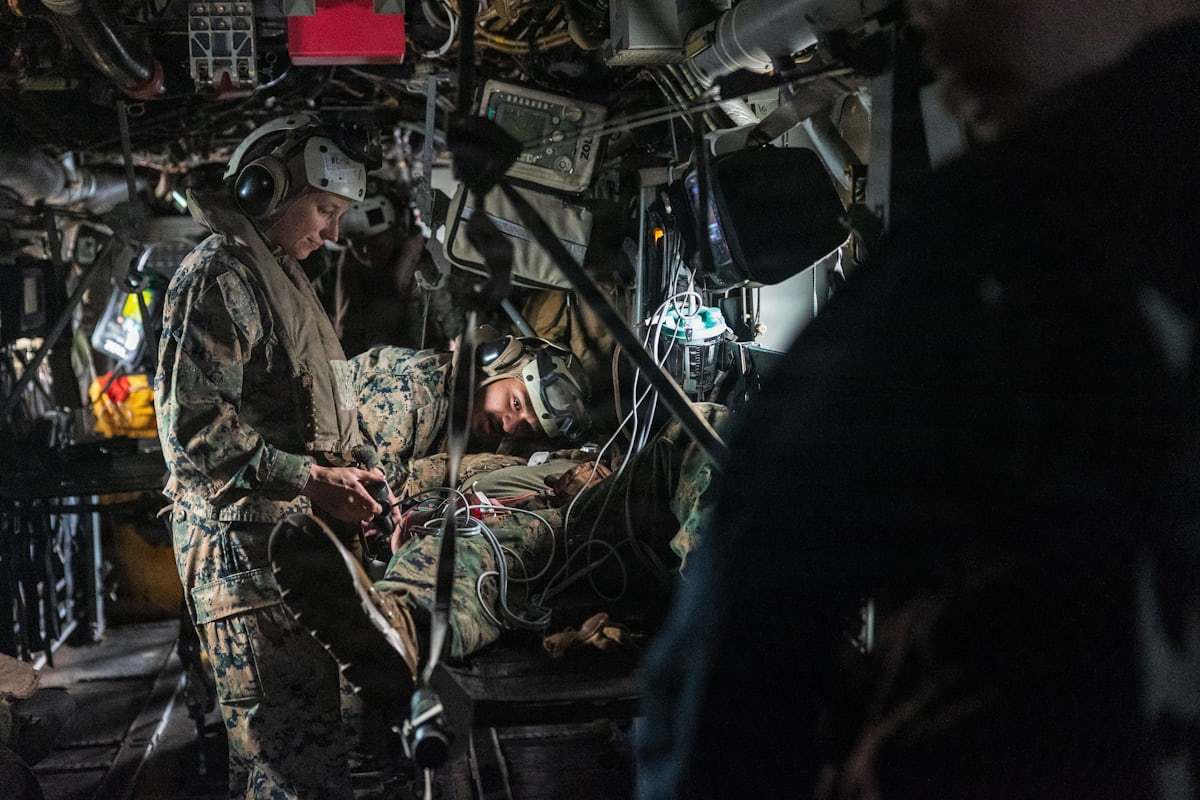
What a pressure infusion bag does in this setting
In an ambulance or first aid station, a pressure infusion bag gives trained teams a portable way to apply controlled pressure around a compatible fluid container. It can help when hanging height changes, space is limited or the patient is moving between locations. The bag supports the planned infusion; it does not decide what to infuse or remove the need to watch the patient and the line.
What problems can a pressure infusion bag help the team manage?
A pressure bag adds controlled external pressure around a compatible fluid container. In the right workflow, that simple function can make preparation, observation and handoff easier to organize.
Work when bag height keeps changing
External pressure is less dependent on a fixed gravity height, which can help in a vehicle or transfer route where hanging options are limited.
Keep the setup portable and observable
The pressure bag holds the container together as one unit and gives the team visible checkpoints for pressure, remaining volume and tubing position.
Support a clearer receiving-team handoff
A repeatable device check makes it easier to report current pressure, volume, line condition and any problem noticed during transport.
How does the pressure bag support the workflow?
Why might a team use one?
During transport, the container may not stay high above the patient and space can be tight. A pressure bag creates its own external pressure around the container, helping the team maintain the pressure-assisted setup defined in its protocol.
What happens inside the bag?
The hand bulb fills an air chamber around the fluid container. As the chamber expands, it presses the container and helps move fluid through the connected system. The gauge shows bag pressure, while actual flow still depends on the tubing, access and fluid.
When can it be useful?
It may help in authorized ambulance, transfer and disaster-medical workflows where trained staff can secure and observe it. It is not public first-aid equipment and should not be used when packaging, cleaning status, model identity or in-vehicle visibility is uncertain.
Who uses and observes it?
Authorized EMS clinicians, transport nurses, physicians and other professionals in first aid stations, ambulances, disaster medical points and formal patient-transfer settings.
Why is there no single setting for every case?
A moving vehicle, long tubing or different vascular access can change how the system behaves. Teams therefore follow the clinical plan, EMS protocol and model IFU rather than assuming one pressure setting will work for every transfer.
Important: A pressure bag supports a wider clinical system. It does not decide whether an infusion is needed, measure patient blood pressure, guarantee a flow rate or replace the product IFU and local clinical policy.
Where the pressure bag fits from preparation to handoff
The bag contributes external pressure, visibility and a repeatable checkpoint. The clinical decision and patient assessment remain with trained professionals.
- 1
Define the authorized use case, protocol owner and clinical limits for each service line.
- 2
Check inventory, packaging, exact model identity, component integrity, cleaning status and available IFU before the shift.
- 3
Confirm compatibility with the fluid or blood product, container size, tubing, access and vehicle mounting point.
- 4
Secure the bag and line so movement does not kink tubing, hide the gauge or apply traction to the patient’s access.
- 5
Apply pressure gradually within the order, EMS protocol and exact model labeling.
- 6
Observe the device, remaining volume, line, access site and patient throughout movement; stop and escalate abnormalities.
- 7
Depressurize safely and complete a structured receiving-team handoff and post-use replacement or cleaning process.
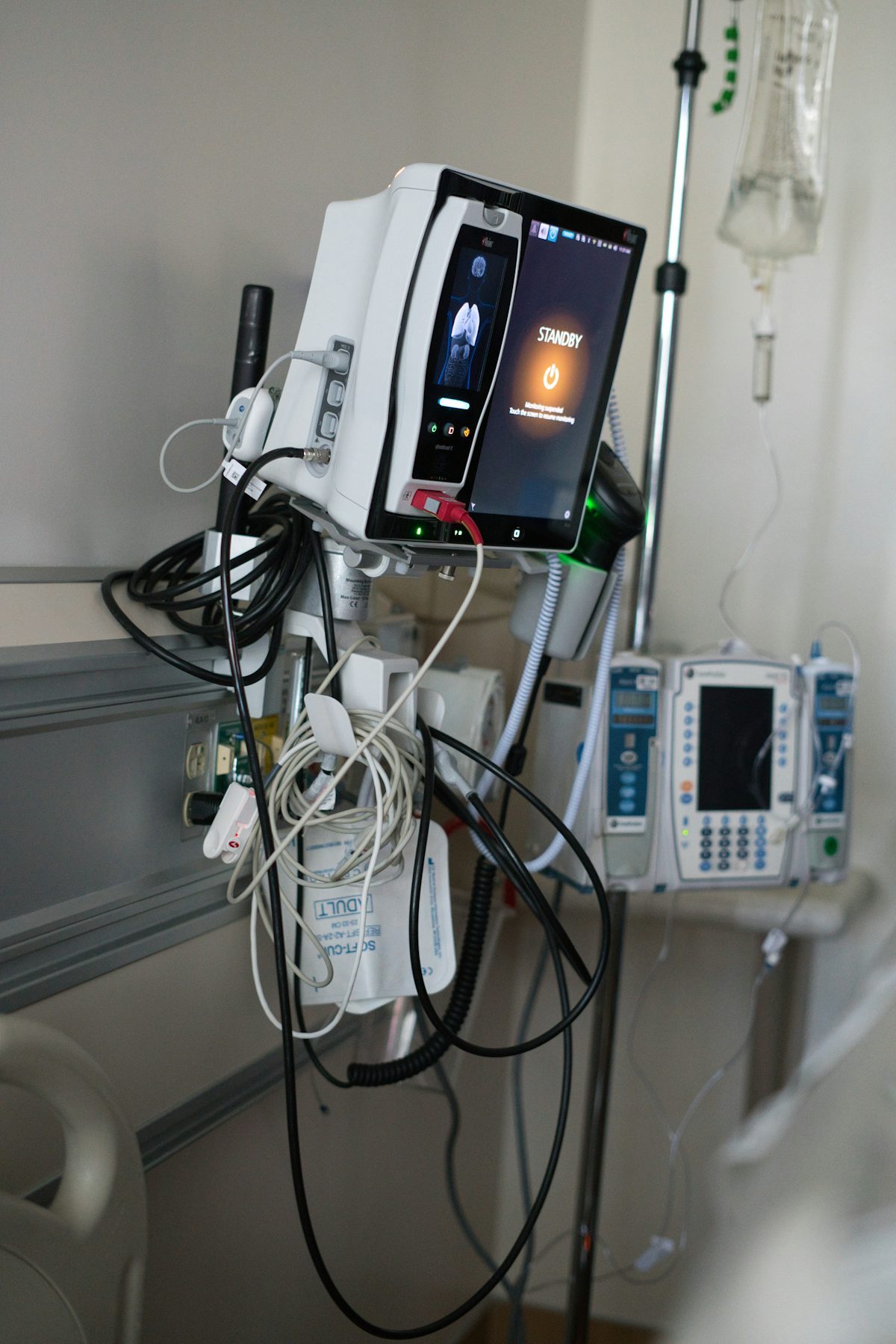
The pressure bag works as part of the care environment
The fluid container, tubing, access, monitoring, people and transport conditions all affect how the complete system performs.
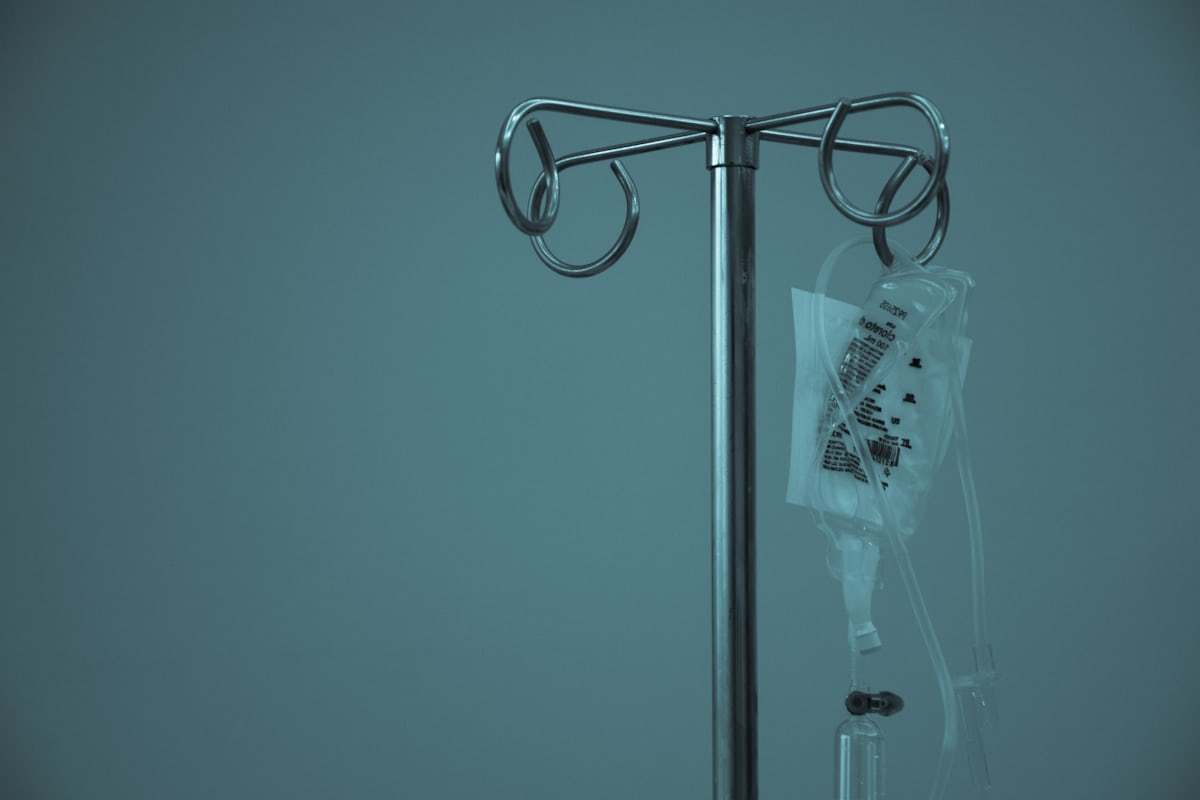
Choose the pressure bag by the job it needs to do
InfuSure® pressure bags can be assessed for professional first aid stations and transfer programs. Ask for the exact configuration, model IFU, intended use, capacity, pressure range, replacement or cleaning instructions and market-specific documentation before vehicle deployment.
Confirm the intended use and current model IFU
Match the capacity and configuration to the workflow
Check visibility, handling and observation needs
Plan cleaning, replacement and traceability
Questions teams often ask
Is a pressure bag suitable for every ambulance call?
No. Suitability depends on clinical authorization, patient condition, local EMS protocols, the fluid or blood product and the exact device IFU.
What should be checked before a shift?
Check inventory, packaging integrity, model identification, gauge visibility where applicable, documentation availability and the organization’s cleaning or replacement status.
How should InfuSure® be evaluated?
Confirm the exact configuration against your vehicle, protocol, fluid system, market requirements and training plan before purchase.
Review the exact configuration before selection
Share your institution type, country or market, intended scenario, reusable or disposable preference, current system, estimated quantity and documentation needs.
Contact an InfuSure® specialist
Please feel free to contact our representatives via email:
sales@kk-bioscience.comEmail our representatives