
Pressure Bag Workflow Support for Invasive Pressure Monitoring
Learn how the pressure bag supports the flush-fluid side of an invasive monitoring system—and why the bag, transducer, tubing, catheter and monitor must be checked together.
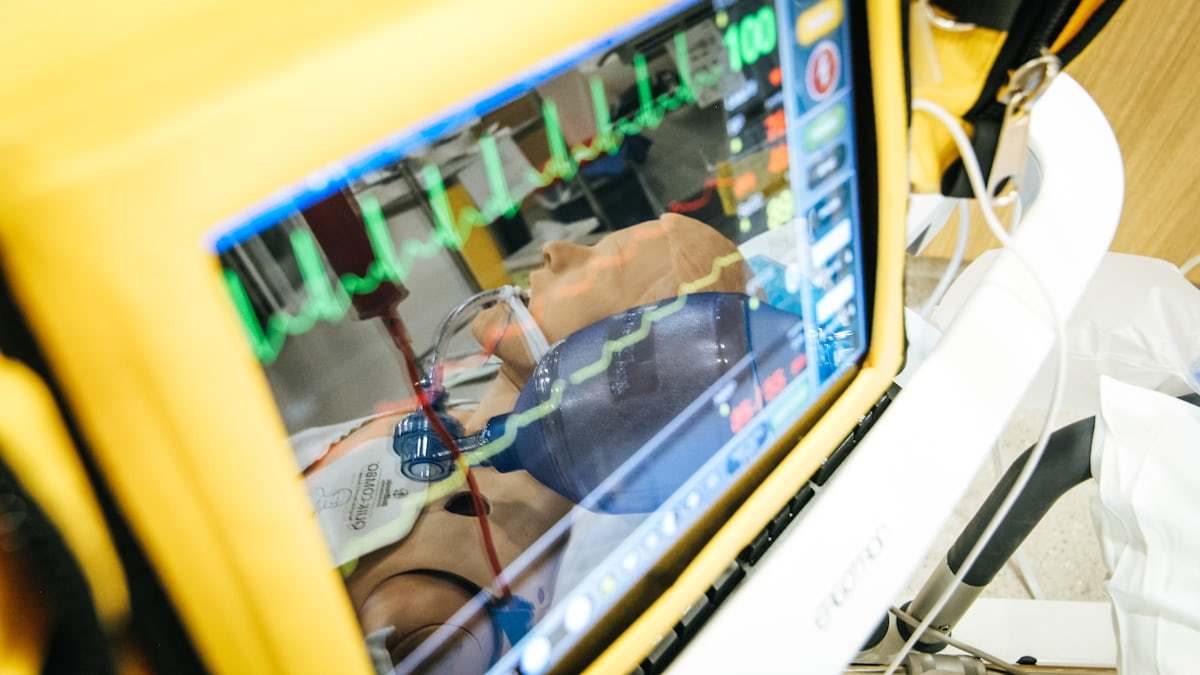
What a pressure infusion bag does in this setting
For invasive pressure monitoring, the pressure bag keeps controlled pressure around the flush-fluid container. This helps the monitoring set maintain the small continuous flush specified by its manufacturer and local protocol. The bag does not measure arterial pressure; the catheter, transducer, tubing and monitor perform that job as a complete system.
What problems can a pressure infusion bag help the team manage?
A pressure bag adds controlled external pressure around a compatible fluid container. In the right workflow, that simple function can make preparation, observation and handoff easier to organize.
Help maintain the monitoring-set flush
By keeping pressure around the fluid container, the bag supports the flush device’s intended function and helps limit blood backing up into the catheter system.
Keep the pressure source visible
The gauge and remaining fluid volume give clinicians simple checkpoints alongside waveform, transducer position and line assessment.
Separate bag problems from signal problems
A stable pressure source helps troubleshooting, but a poor waveform can still come from air, clot, tubing, stopcocks, transducer position, catheter or patient factors.
How does the pressure bag support the workflow?
Why might a team use one?
An arterial-line or other invasive monitoring set often includes a controlled flush pathway. The pressure bag provides the external pressure that allows the compatible flush device to work as designed.
What happens inside the bag?
The inflated bladder presses the flush-fluid container. That pressure feeds the flush system, while the transducer separately senses pressure from the patient and sends a signal to the monitor. Bag pressure and patient pressure are different measurements.
When can it be useful?
It is useful only as part of an approved, correctly assembled invasive monitoring system. If bag pressure, fluid volume, tubing, transducer setup or waveform is abnormal, the team assesses the whole system rather than simply pumping the bag again.
Who uses and observes it?
Trained critical care, anesthesia, emergency, perioperative and other authorized clinicians managing invasive pressure monitoring under institutional policy.
Why is there no single setting for every case?
Many adult monitoring workflows use a protocol-defined pressure target, often around 300 mmHg, but that is not a universal instruction. The exact monitoring-set IFU and hospital policy determine the required pressure, fluid, flush behavior and replacement schedule.
Important: A pressure bag supports a wider clinical system. It does not decide whether an infusion is needed, measure patient blood pressure, guarantee a flow rate or replace the product IFU and local clinical policy.
Where the pressure bag fits from preparation to handoff
The bag contributes external pressure, visibility and a repeatable checkpoint. The clinical decision and patient assessment remain with trained professionals.
- 1
Confirm the invasive monitoring order, patient, line, transducer set, flush solution and institutional policy.
- 2
Verify exact component identity, compatibility, packaging and IFUs, including the pressure bag and flush device.
- 3
Assemble, fill and remove air from the system using the approved aseptic workflow before pressurization.
- 4
Level and zero the transducer according to policy and ensure tubing, stopcocks and connections are visible and secure.
- 5
Apply only the protocol- and IFU-defined pressure; verify gauge visibility and stable support of the fluid container.
- 6
Assess waveform quality, dynamic response, flush function, connections, bag volume, pressure and the patient regularly.
- 7
Stop, isolate and troubleshoot systematically when readings, waveform, pressure or system integrity changes.
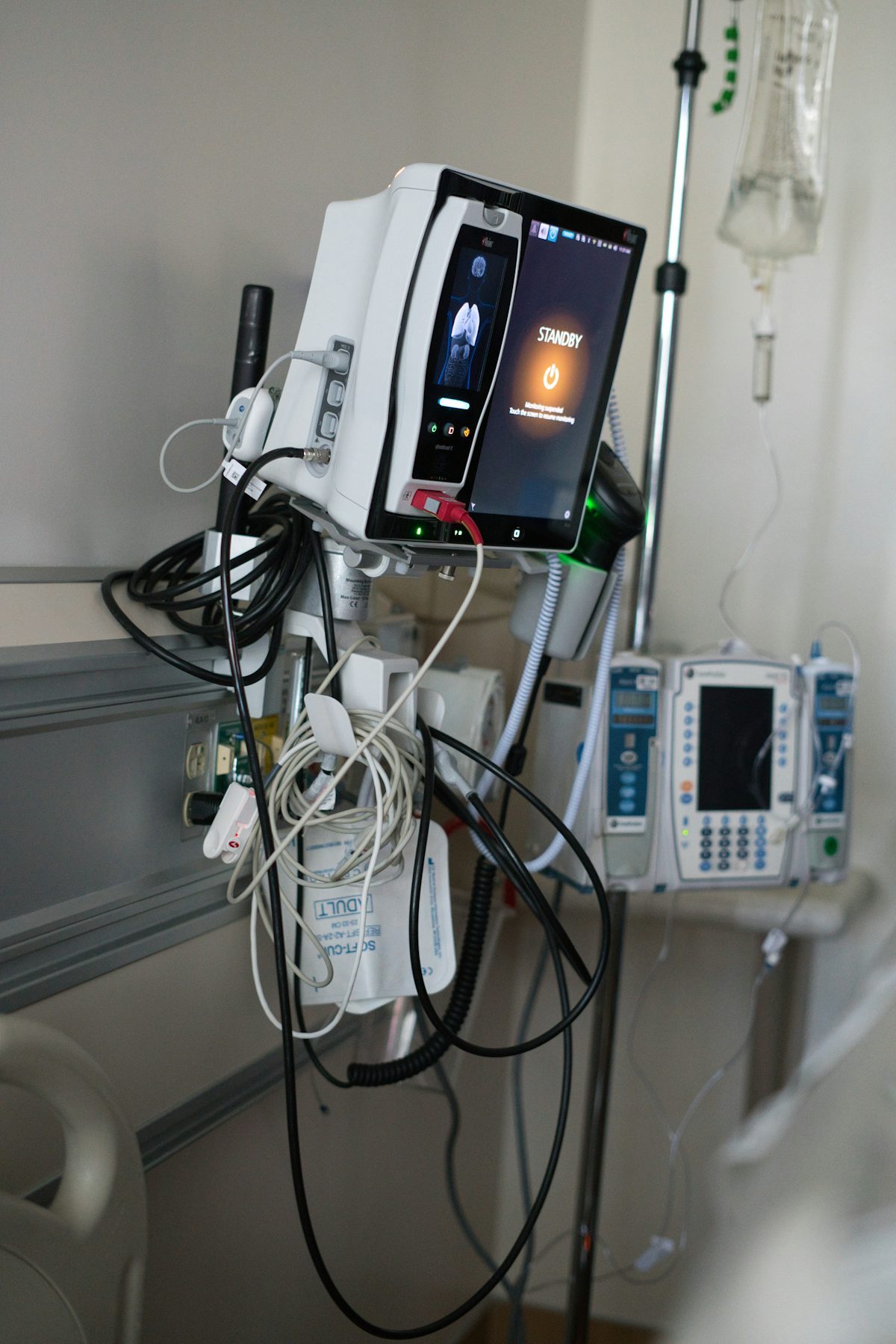
The pressure bag works as part of the care environment
The fluid container, tubing, access, monitoring, people and transport conditions all affect how the complete system performs.
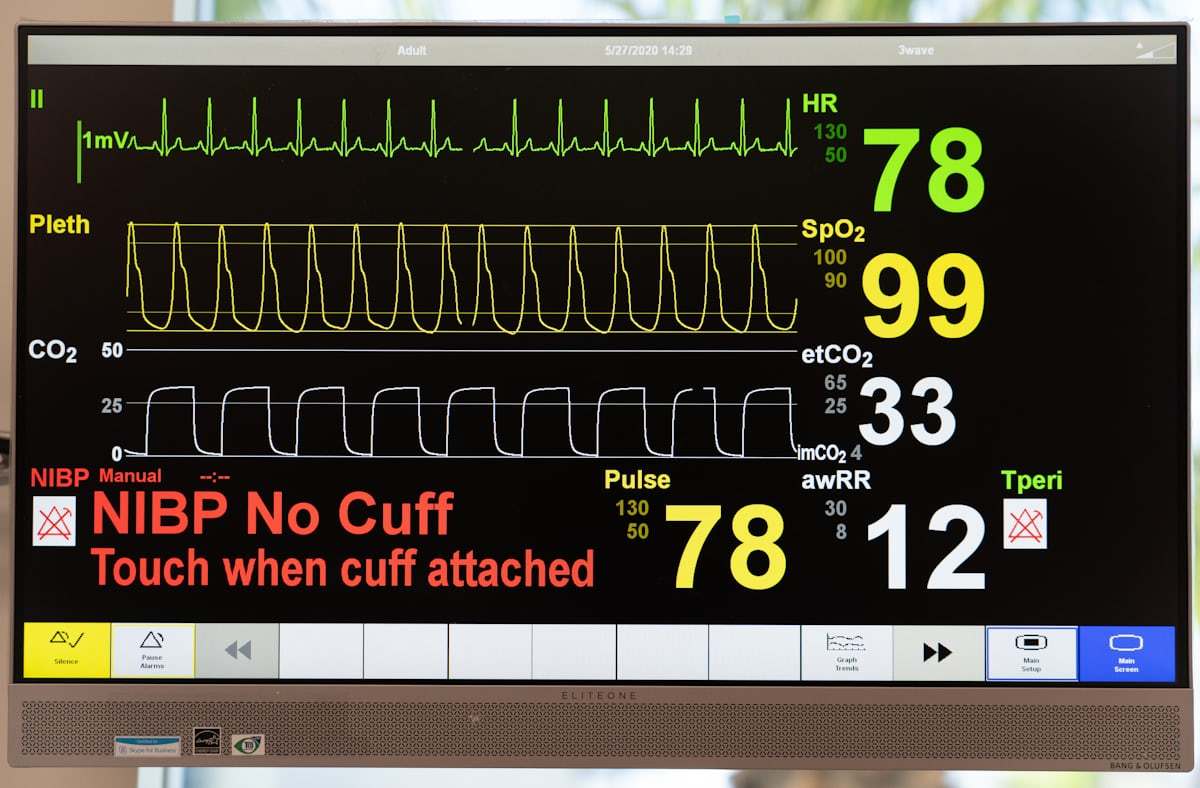
Choose the pressure bag by the job it needs to do
Evaluate InfuSure® only as one component of the complete monitoring workflow. Request the exact model, gauge range, intended use, capacity fit, material and cleaning information, labeling and market documentation, then validate the configuration with the transducer-set IFU and local policy.
Confirm the intended use and current model IFU
Match the capacity and configuration to the workflow
Check visibility, handling and observation needs
Plan cleaning, replacement and traceability
Questions teams often ask
Does a pressure bag alone provide invasive monitoring?
No. Monitoring requires a correctly configured transducer, flush device, tubing, catheter and monitor system managed by trained staff.
Should this page prescribe 300 mmHg?
No universal setting should be prescribed. Explain that many institutions use protocol-defined targets and direct users to their monitoring-set IFU and policy.
What should be validated with a supplier?
Validate the exact model, gauge range, intended use, container fit, labeling, cleaning or disposal workflow and documentation for the target market.
Review the exact configuration before selection
Share your institution type, country or market, intended scenario, reusable or disposable preference, current system, estimated quantity and documentation needs.
Contact an InfuSure® specialist
Please feel free to contact our representatives via email:
sales@kk-bioscience.comEmail our representatives