INFUSURE® | EMERGENCY TRANSFUSION WORKFLOW
Emergency Blood Transfusion Pressure Infusion Solution
When hemorrhage demands immediate action, InfuSure® DIB-P helps trained teams establish visible, manually controlled pressure for rapid blood and fluid administration without reliance on mains power.
For trained healthcare professionals. Use in accordance with local transfusion policy, compatible components, and the device IFU.
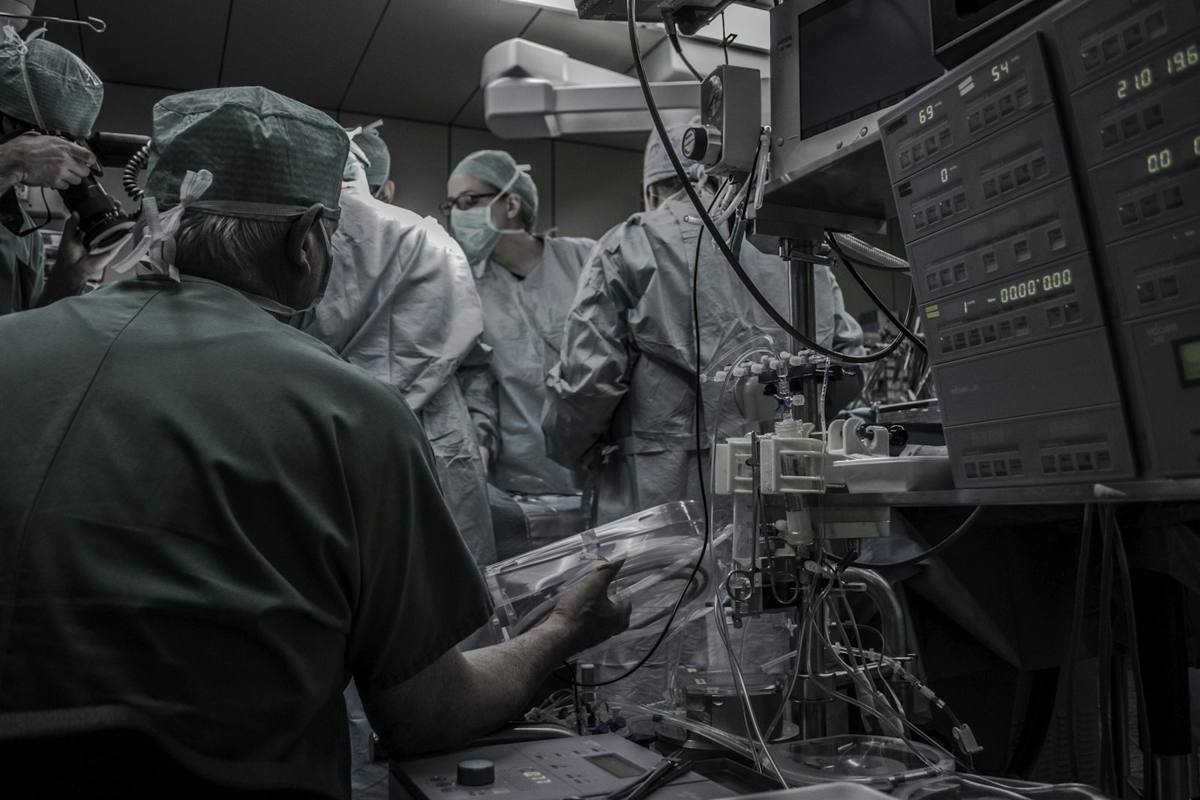
THE WORKFLOW CHALLENGE
In Emergency Hemorrhage, Every Step Must Be Controlled
Emergency transfusion is not only about speed. Teams need a clear, repeatable way to establish pressure, communicate it, and stay aligned with local policy while managing multiple tasks.
Pressure Drift
Manual inflation can require repeated adjustment during a high-workload response.
Limited Visibility
A pressure value that is hard to see can slow communication and handoff.
Power Constraints
Transport and temporary-care settings may require a manual, no-mains-power option.
Workflow Continuity
Bag replacement and pressure release should fit a coordinated team workflow.
MODEL-SPECIFIC REVIEW
InfuSure® DIB-P
Request approved product photography, the current IFU, and the model-specific technical data sheet for your clinical, procurement, or tender review.
View InfuSure productsProduct performance and regulatory scope must be verified against current controlled documentation.
INFUSURE DIB-P
A Practical Pressure-Infusion Layer for Protocol-Led Transfusion
PRESSURE CONTEXT
Use Visible Reference Points. Keep Clinical Boundaries Clear.
Pressure display and device protection do not replace clinical policy. The distinction below is intentionally explicit for US hospital and EMS buyers reviewing transfusion workflows.
Verification Point
Visual reference for DIB-P dual-point pressure verification.
Maximum for Blood Components
Follow institutional policy. Do not exceed 300 mmHg for blood components.
Protective Relief
Overpressure-relief feature, not a blood-transfusion operating target.
Clinical-use note: external pressure devices should be used only by trained professionals, with blood-compatible components, appropriate vascular access, the device IFU, and the facility's transfusion policy.
WORKFLOW FIT
Where DIB-P Fits in an Emergency Transfusion Response
This illustration is educational. It does not replace a local massive transfusion protocol, clinical judgment, or manufacturer instructions.
- 01
Activate Local MTP
Start the institution's emergency-transfusion process.
- 02
Verify Preparation
Confirm patient, product, line, filter, and access per policy.
- 03
Establish Pressure
Place the bag and check visible pressure on DIB-P.
- 04
Operate Within Protocol
For blood components, do not exceed 300 mmHg.
- 05
Monitor and Document
Monitor patient and line; document under local procedure.
- 06
Release Before Replacement
Release pressure before changing the bag or transferring care.

APPLICATION ENVIRONMENTS
Built for Time-Critical Care Environments
Choose a workflow-oriented pressure infusion option for departments and transport teams that need visible, manual support within approved processes.
Emergency Department & Trauma Bay
Rapid setup within approved resuscitation workflows.
Operating Room & ICU
Manual, visible pressure support alongside approved equipment.
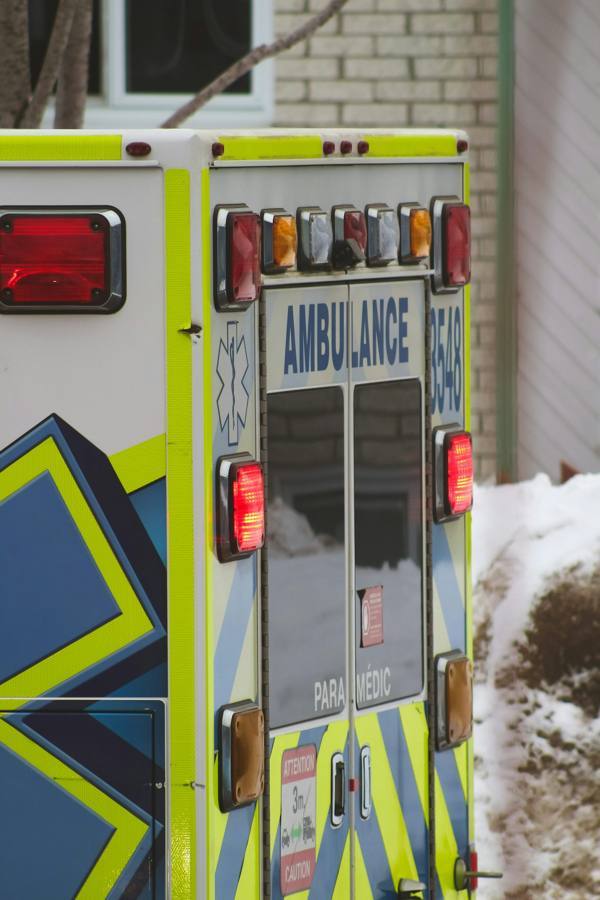
Ambulance & Transfer
Manual operation without reliance on mains power, subject to local approval.
DOCUMENTATION FOR DECISION-MAKERS
Make the Review Process Easier
For hospital procurement, clinical engineering, distributors, and project teams, request the model-specific documents needed to assess workflow fit and regulatory scope.
FAQ
Emergency Blood Transfusion Pressure Infusion Questions
What pressure is commonly used for emergency blood transfusion?
When a pressure device is used for rapid transfusion, clinical guidance commonly states that pressure applied to blood components should not exceed 300 mmHg. The setting and procedure must follow the hospital's policy, device IFU, and the patient's clinical condition.
Can a pressure infusion bag be used for blood transfusion?
A manufacturer-approved pressure infusion device may be used for rapid administration of blood components by trained professionals when used with compatible components, appropriate access, the facility's transfusion process, and the device instructions.
What does dual-point pressure verification mean for DIB-P?
DIB-P is designed to provide visual verification at 250 and 300 mmHg. These are reference points for controlled pressure-infusion workflows. Verify all product performance claims against the current model-specific IFU and validation documents.
Is 325 ±10 mmHg the operating pressure for blood transfusion?
No. The 325 ±10 mmHg figure refers to the DIB-P protective overpressure-relief feature, not an intended blood-transfusion operating target. For blood components, follow facility protocol and do not exceed 300 mmHg.
READY TO REVIEW YOUR WORKFLOW?
Bring Visible Pressure Control Into the Conversation
Share your department, transport, or tender requirements. InfuSure can provide model-specific documentation and product guidance for qualified buyers.