How to Choose a Clinical-Grade Cold Therapy Machine for Post-Surgery and Sports Recovery
How to Choose a Clinical-Grade Cold Therapy Machine for Post-Surgery and Sports Recovery
Cold therapy has long been used in hospitals, rehabilitation clinics, sports medicine centers and home recovery programs. From simple ice packs to advanced cold compression systems, the goal remains the same: help control pain, swelling and local inflammation while supporting a more comfortable recovery experience.
However, professional buyers today are no longer looking for “just a cooling device.” Hospitals, distributors, rehabilitation centers and OEM brands need a cold therapy machine that delivers stable temperature, reliable circulation, comfortable compression, easy cleaning, safe operation and consistent user experience across different clinical and home-care scenarios.
This article explains how a modern cold therapy machine works, what technical features matter most, and how professional buyers can evaluate a cold compression therapy system from a manufacturer’s perspective.
However, professional buyers today are no longer looking for “just a cooling device.” Hospitals, distributors, rehabilitation centers and OEM brands need a cold therapy machine that delivers stable temperature, reliable circulation, comfortable compression, easy cleaning, safe operation and consistent user experience across different clinical and home-care scenarios.
This article explains how a modern cold therapy machine works, what technical features matter most, and how professional buyers can evaluate a cold compression therapy system from a manufacturer’s perspective.

Key Takeaways
A cold therapy machine is designed to deliver controlled cooling through a circulating water system and an anatomical therapy pad. Compared with traditional ice packs, a machine-based system can offer more stable temperature control, longer therapy duration, cleaner operation and better comfort.
For post-operative recovery, sports injury management and rehabilitation care, the most important technical factors include temperature stability, circulation efficiency, compression control, pad design, noise level, cleaning workflow, safety protection and product customization capability.
For professional buyers, choosing the right cold therapy machine is not only about product appearance or price. It is about whether the device can support real-world use in hospitals, clinics, sports recovery centers, rental programs and home-care distribution channels.
For post-operative recovery, sports injury management and rehabilitation care, the most important technical factors include temperature stability, circulation efficiency, compression control, pad design, noise level, cleaning workflow, safety protection and product customization capability.
For professional buyers, choosing the right cold therapy machine is not only about product appearance or price. It is about whether the device can support real-world use in hospitals, clinics, sports recovery centers, rental programs and home-care distribution channels.
What Is a Cold Therapy Machine?
A cold therapy machine, also known as a cryotherapy machine or cold compression therapy machine, is a recovery device that uses chilled water circulation to provide targeted cooling to a specific body area. The system usually includes a main control unit, water tank, tubing set and soft therapy pad designed for areas such as the knee, shoulder, ankle, hip, back or elbow.
Some advanced systems combine cold therapy with intermittent pneumatic compression. This means the device does not only cool the affected area, but also applies controlled pressure through the pad. The combination of cooling and compression is often used in post-operative rehabilitation, sports recovery and swelling management.
In professional settings, a cold therapy machine is commonly used after orthopedic procedures, sports injuries, soft-tissue trauma, joint rehabilitation and other recovery programs where controlled local cooling is required.
Some advanced systems combine cold therapy with intermittent pneumatic compression. This means the device does not only cool the affected area, but also applies controlled pressure through the pad. The combination of cooling and compression is often used in post-operative rehabilitation, sports recovery and swelling management.
In professional settings, a cold therapy machine is commonly used after orthopedic procedures, sports injuries, soft-tissue trauma, joint rehabilitation and other recovery programs where controlled local cooling is required.
Why Traditional Ice Packs Are No Longer Enough for Professional Recovery
Traditional ice packs are simple and low-cost, but they have several limitations in clinical and high-frequency recovery environments.
First, temperature is difficult to control. Ice packs may be too cold at the beginning and then quickly lose cooling performance as they melt. This makes therapy less consistent and may increase the risk of discomfort or skin irritation if not properly monitored.
Second, ice packs often require frequent replacement. In hospitals, clinics and home-care programs, this increases nursing workload and reduces user convenience.
Third, traditional ice packs may create condensation, leakage or wet surfaces around the treatment area. For post-operative wounds or dressing areas, a cleaner and drier therapy environment is important.
A cold therapy machine is designed to solve these limitations by delivering continuous water circulation, more stable cooling, longer therapy sessions and a more controlled user experience.
How a Cold Therapy Machine Works
A modern cold therapy machine typically works through three core systems: cooling, circulation and contact delivery.
1.Cooling Source and Water Tank
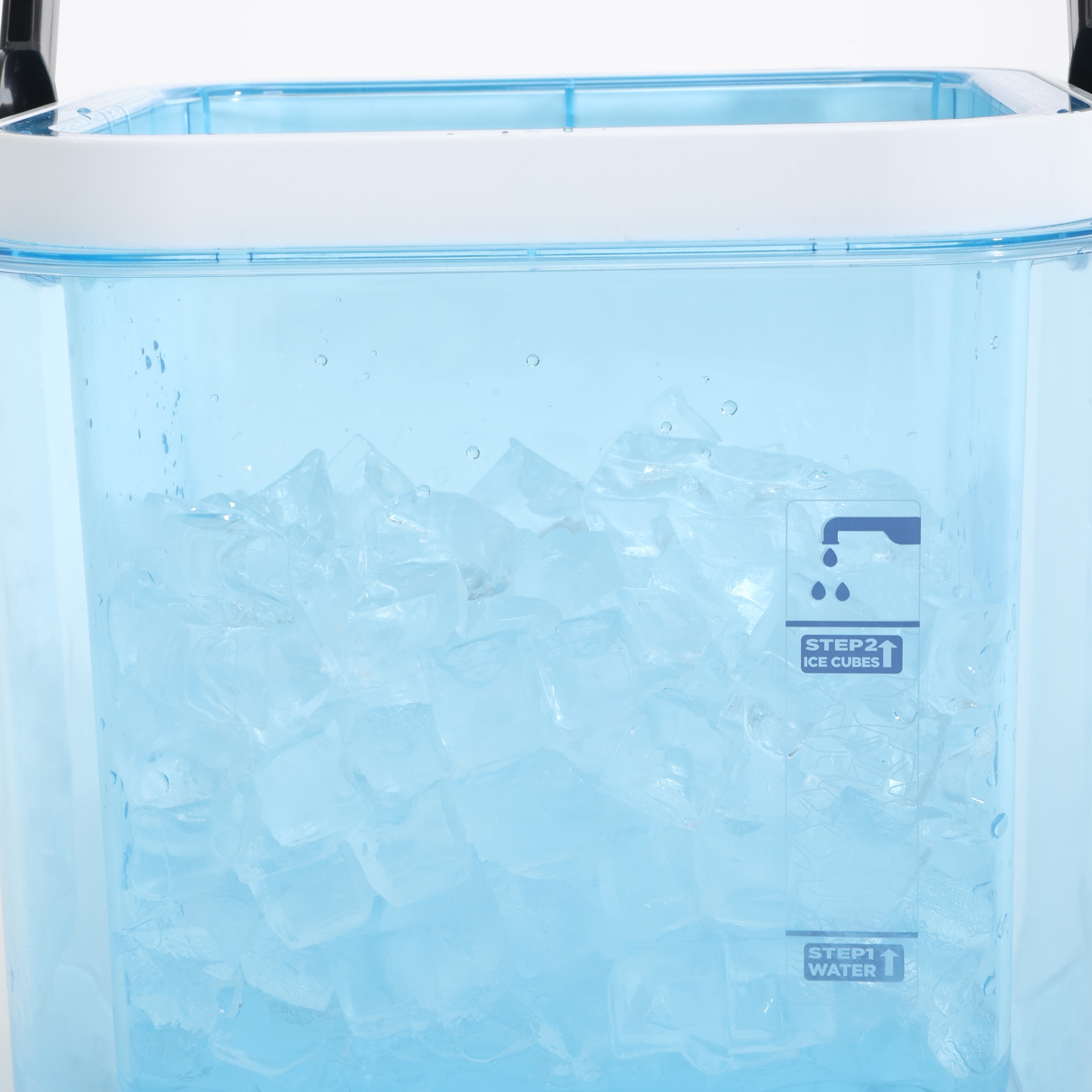
The user fills the tank with water and ice according to the recommended ratio. The machine then circulates chilled water through tubing and into the therapy pad. A transparent tank design can help users check the water level and ice-water condition more easily.
For clinical and home-care use, tank capacity, insulation performance and refill frequency are important design considerations. A well-designed system should provide extended cooling performance while remaining easy to fill, clean and move.
For clinical and home-care use, tank capacity, insulation performance and refill frequency are important design considerations. A well-designed system should provide extended cooling performance while remaining easy to fill, clean and move.
2.Circulating Water Pathway
The circulation system moves chilled water from the tank to the therapy pad and back to the unit. Stable circulation helps maintain more consistent contact cooling over the treatment area.
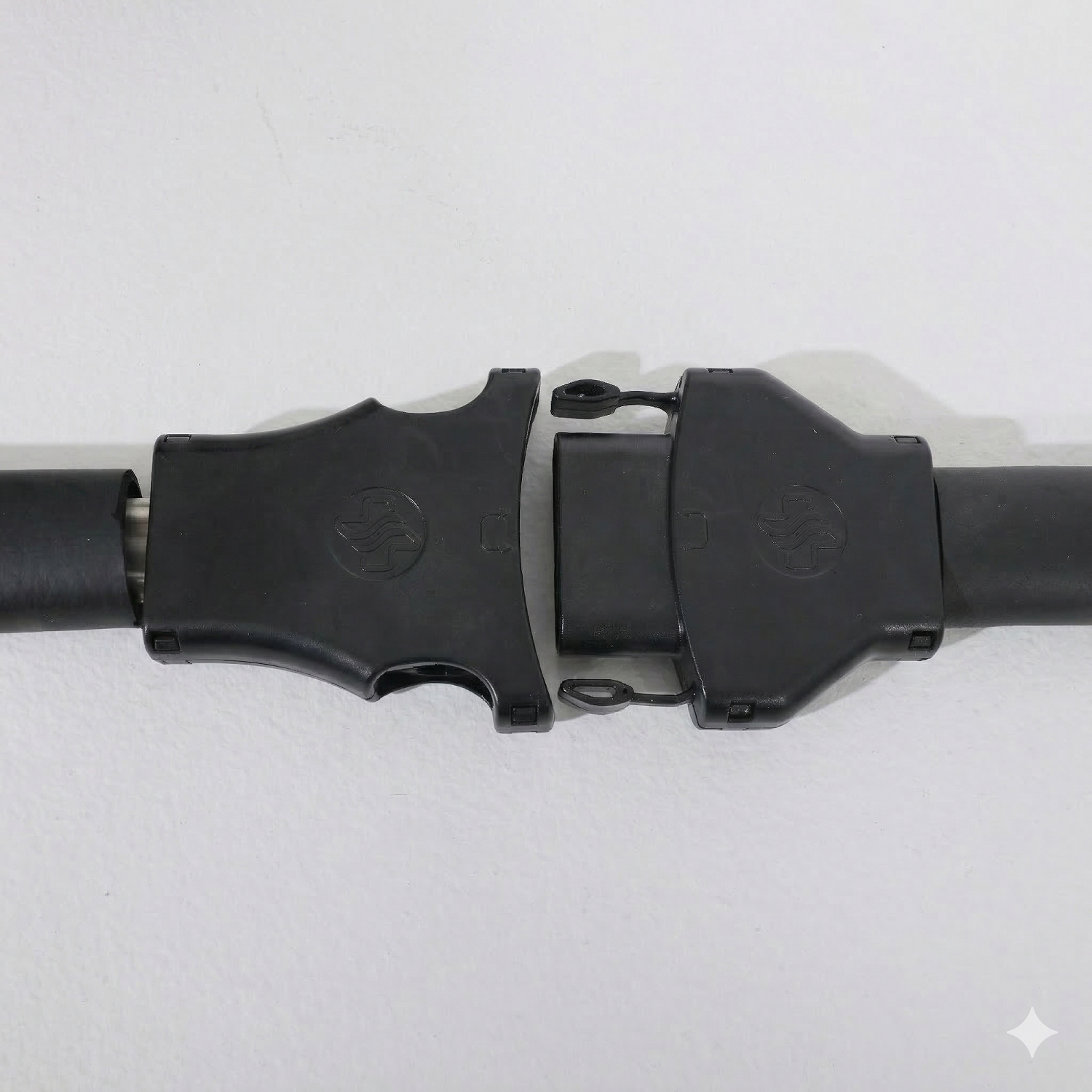
For manufacturers, the water pathway design is critical. Tubing diameter, pump performance, connector sealing, anti-leak design and drainage efficiency all affect the user experience. Poor circulation may result in uneven cooling, slow temperature response or leakage problems.
For manufacturers, the water pathway design is critical. Tubing diameter, pump performance, connector sealing, anti-leak design and drainage efficiency all affect the user experience. Poor circulation may result in uneven cooling, slow temperature response or leakage problems.
3.Therapy Pad Contact
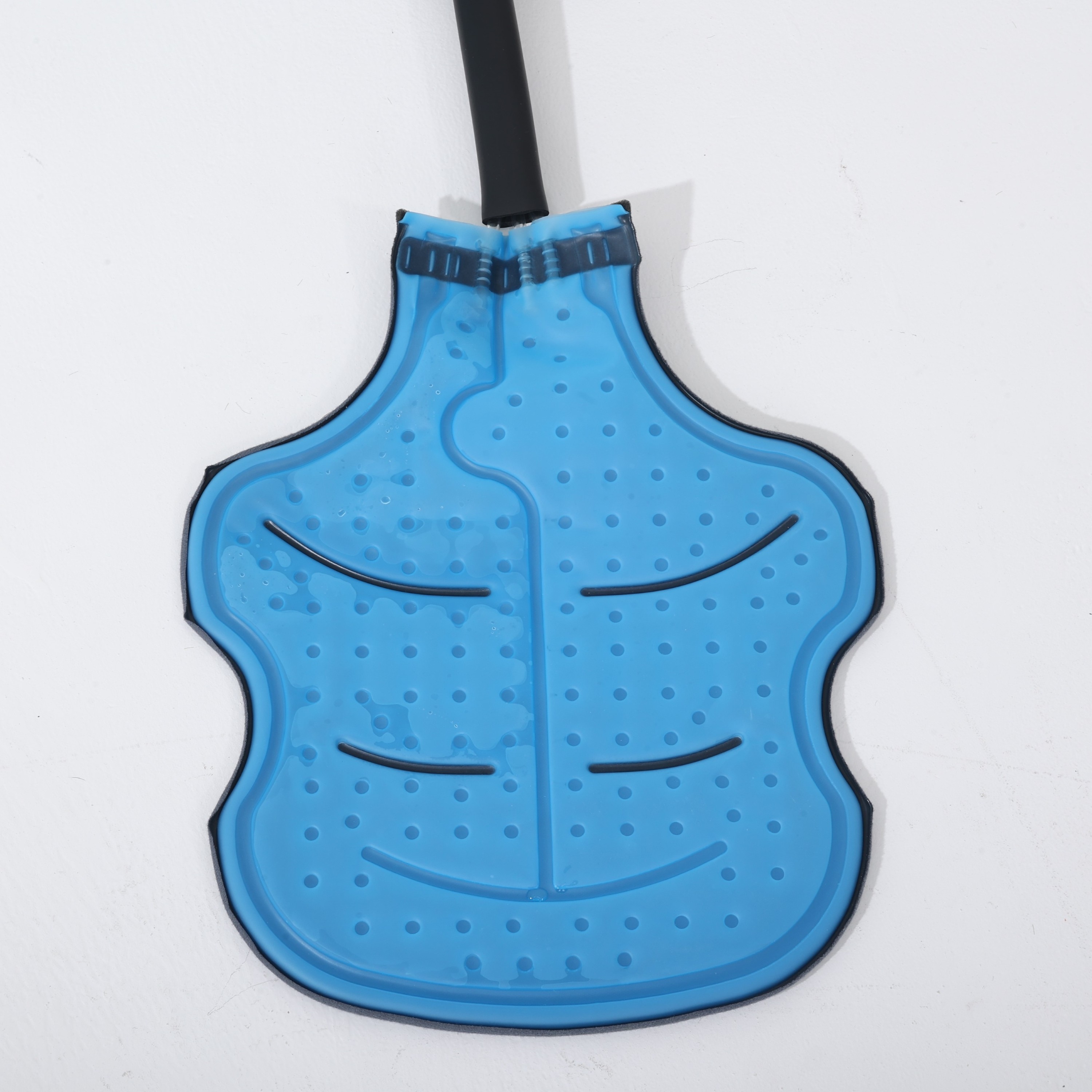
The therapy pad is the interface between the machine and the patient. A high-quality pad should fit the body contour, distribute cooling evenly and remain comfortable during use.
Different recovery scenarios require different pad designs. A knee pad must wrap around the joint securely. A shoulder pad needs flexible contouring. An ankle pad should allow stable positioning. A universal pad may be useful for distributors who want broader market coverage with fewer SKUs.
Different recovery scenarios require different pad designs. A knee pad must wrap around the joint securely. A shoulder pad needs flexible contouring. An ankle pad should allow stable positioning. A universal pad may be useful for distributors who want broader market coverage with fewer SKUs.
Why Cold + Compression Matters
Cold therapy helps reduce local metabolic activity and provides a cooling effect that can support pain and swelling management. Compression may help improve contact between the therapy pad and the body surface while supporting fluid management around the treatment area.
For professional recovery systems, the value of cold compression therapy is not only the combination of two functions. The real value lies in controlled delivery.
A clinical-grade cold compression therapy machine should provide stable pressure, comfortable inflation and deflation cycles, and enough adjustability for different users and body areas. Pressure should not feel aggressive or unstable. The goal is to support recovery comfort, not create additional discomfort.
From a manufacturer’s perspective, compression performance depends on pump control, valve design, sensor feedback, software algorithm and pad structure. A good system should deliver consistent pressure while adapting to user movement and pad positioning.
For professional recovery systems, the value of cold compression therapy is not only the combination of two functions. The real value lies in controlled delivery.
A clinical-grade cold compression therapy machine should provide stable pressure, comfortable inflation and deflation cycles, and enough adjustability for different users and body areas. Pressure should not feel aggressive or unstable. The goal is to support recovery comfort, not create additional discomfort.
From a manufacturer’s perspective, compression performance depends on pump control, valve design, sensor feedback, software algorithm and pad structure. A good system should deliver consistent pressure while adapting to user movement and pad positioning.
Clinical Applications of Cold Therapy Machines
Post-Operative Orthopedic Recovery
Orthopedic surgery often involves pain, swelling, local inflammation and limited early mobility. Cold therapy machines are frequently used after procedures such as total knee arthroplasty, ACL reconstruction, meniscus repair, shoulder surgery and other joint-related operations.
For hospitals and surgical centers, the value of a cold therapy machine includes standardized therapy, reduced manual ice-pack replacement and improved patient comfort during the early recovery phase.
Sports Medicine and Athletic Recovery
Sports injuries such as sprains, strains, ligament injuries and soft-tissue trauma often require early swelling and pain management. Athletic trainers and sports rehabilitation centers may prefer cold therapy machines because they provide repeatable treatment sessions and can be paired with different pads for different injury sites.
For distributors targeting sports medicine, portability, fast setup, pad variety and durability are especially important.
Rehabilitation Clinics and Physical Therapy Centers
Rehabilitation clinics need equipment that can be used repeatedly throughout the day. Therefore, cleaning efficiency, pad durability, hose connection reliability and low-noise operation become key purchasing factors.
For hospitals and surgical centers, the value of a cold therapy machine includes standardized therapy, reduced manual ice-pack replacement and improved patient comfort during the early recovery phase.
Sports Medicine and Athletic Recovery
Sports injuries such as sprains, strains, ligament injuries and soft-tissue trauma often require early swelling and pain management. Athletic trainers and sports rehabilitation centers may prefer cold therapy machines because they provide repeatable treatment sessions and can be paired with different pads for different injury sites.
For distributors targeting sports medicine, portability, fast setup, pad variety and durability are especially important.
Rehabilitation Clinics and Physical Therapy Centers
Rehabilitation clinics need equipment that can be used repeatedly throughout the day. Therefore, cleaning efficiency, pad durability, hose connection reliability and low-noise operation become key purchasing factors.
A cold therapy machine for clinical rehabilitation should be easy for therapists to operate and simple for patients to understand.
Home Recovery and Rental Programs
Home-care users value comfort, safety and simplicity. A machine used at home should be easy to fill, easy to connect, quiet during rest and supported by clear instructions.
Home Recovery and Rental Programs
Home-care users value comfort, safety and simplicity. A machine used at home should be easy to fill, easy to connect, quiet during rest and supported by clear instructions.
For rental companies and distributors, machine durability, accessory replacement, packaging design and after-sales support are just as important as the device itself.
Key Technical Features Professional Buyers Should Evaluate
Stable Temperature Performance
Professional buyers should ask whether the system can maintain a consistent cooling experience over a practical therapy cycle. Temperature stability affects comfort, repeatability and user confidence.
Quiet Operation
Cold therapy machines are often used in hospital wards, recovery rooms and bedrooms. Low-noise operation improves patient comfort and makes the machine more suitable for overnight or extended use.
Easy Cleaning and Drainage
Clinical and rental use requires fast turnover. A system with easy-to-clean surfaces, quick drainage and simple tubing management can reduce maintenance workload.
Instead of only asking for “lowest temperature,” buyers should evaluate how stable the cooling is during actual use.
Quiet Operation
Cold therapy machines are often used in hospital wards, recovery rooms and bedrooms. Low-noise operation improves patient comfort and makes the machine more suitable for overnight or extended use.
Easy Cleaning and Drainage
Clinical and rental use requires fast turnover. A system with easy-to-clean surfaces, quick drainage and simple tubing management can reduce maintenance workload.
One-touch drainage or simplified water removal can be a strong advantage for clinics and rental programs.
Closed-Loop Pressure Control
For cold compression systems, pressure stability is essential. A closed-loop pressure control system helps maintain the target pressure more consistently, even when the patient changes position or the pad fit changes slightly.
Anatomical Pad Design
Pad design directly affects therapy coverage. A pad that does not fit well may reduce cooling efficiency and user satisfaction. Professional buyers should evaluate knee, shoulder, ankle, hip, back and universal pad options based on their target market.
Safety and User Guidance
A cold therapy machine should include clear operating instructions, recommended usage time, temperature guidance, warnings and contraindications. Professional buyers should avoid products with unclear instructions or exaggerated treatment claims.
This is especially important for post-operative use, where comfort and safety are both priorities.
Anatomical Pad Design
Pad design directly affects therapy coverage. A pad that does not fit well may reduce cooling efficiency and user satisfaction. Professional buyers should evaluate knee, shoulder, ankle, hip, back and universal pad options based on their target market.
Safety and User Guidance
A cold therapy machine should include clear operating instructions, recommended usage time, temperature guidance, warnings and contraindications. Professional buyers should avoid products with unclear instructions or exaggerated treatment claims.
OEM and ODM Customization
For distributors and private-label brands, customization can include logo printing, housing color, pad combinations, packaging design, user manual language, plug type, accessory kit and market-specific documentation support.
A qualified manufacturer should be able to support product configuration, sample evaluation, packaging design and long-term supply planning.
Cold Therapy Machine vs. Ice Pack: Professional Comparison
Comparison Point
Temperature Control
Therapy Duration
Comfort
Workflow
Hygiene
Clinical Use
Buyer Value
Therapy Duration
Comfort
Workflow
Hygiene
Clinical Use
Buyer Value
Traditional Ice Pack
Unstable, gradually warms up
Requires frequent replacement
May feel too cold or wet
Manual ice replacement
Condensation and leakage risk
Basic temporary cooling
Low initial cost
Requires frequent replacement
May feel too cold or wet
Manual ice replacement
Condensation and leakage risk
Basic temporary cooling
Low initial cost
Cold Therapy Machine
More consistent cooling experience
Designed for extended sessions
More controlled and comfortable
Automated circulation
Cleaner enclosed system
Better for standardized recovery programs
Better professional positioning and repeat use
Designed for extended sessions
More controlled and comfortable
Automated circulation
Cleaner enclosed system
Better for standardized recovery programs
Better professional positioning and repeat use
What Hospitals and Distributors Care About Most
Hospitals usually care about safety, ease of use, cleaning workflow, documentation and patient comfort. Rehabilitation clinics care about durability, pad fit, noise level and treatment efficiency. Distributors care about product differentiation, stable supply, packaging, spare parts and after-sales support. OEM brands care about customization, design flexibility and long-term product consistency.
That is why a cold therapy machine manufacturer should not only sell a product. The manufacturer should provide a complete solution, including product selection, pad configuration, technical training, documentation support and market positioning.
Manufacturer Perspective: What Makes a Cold Therapy Machine Reliable?
A reliable cold therapy machine depends on engineering details that buyers may not see immediately.
The pump must provide stable circulation. The connectors must resist leakage after repeated use. The pad must remain soft, sealed and comfortable. The control system must be intuitive. The housing must be easy to clean. The water tank must be practical for filling and monitoring. The packaging must protect the machine during international shipment.
For professional buyers, these details determine whether the product performs well after the first sample test, after repeated clinical use and after long-term market distribution.
How to Select the Right Cold Therapy Machine for Your Market
If your target customers are hospitals or surgical centers, choose a model with stronger clinical positioning, stable pressure control, low noise, easy cleaning and clear documentation.
If your target customers are rehabilitation clinics, focus on durability, therapy pad options, fast setup and daily-use convenience.
If your target customers are sports recovery channels, prioritize portability, fast cooling experience, body-part pad variety and attractive product design.
If your target customers are home-care users, simplicity, safety instructions, comfort and packaging presentation are especially important.
If you are building a private-label product line, work with a manufacturer that can support OEM/ODM customization, accessory configuration, packaging, user manuals and long-term spare parts supply.
Frequently Asked Questions:
What is a cold therapy machine used for?
A cold therapy machine is used to provide controlled cooling to a targeted body area. It is commonly used in post-surgery recovery, sports injury rehabilitation, swelling management and physical therapy programs.
Is a cold therapy machine better than an ice pack?
For professional use, a cold therapy machine can provide more stable cooling, longer therapy duration, cleaner operation and better comfort than traditional ice packs. Ice packs may still be useful for basic temporary cooling, but machine-based systems are better suited for standardized recovery programs.
What is the difference between cold therapy and cold compression therapy?
Cold therapy mainly focuses on cooling. Cold compression therapy combines cooling with controlled pneumatic compression. The compression function may improve pad contact and support swelling management, depending on the device design and clinical use protocol.
Which body areas can use a cold therapy machine?
Common therapy areas include the knee, shoulder, ankle, hip, elbow, back and universal body areas. The final application depends on the pad design and the manufacturer’s instructions.
Can a cold therapy machine be used at home?
Yes, some cold therapy machines are designed for home recovery. Home-use models should be simple to operate, quiet, comfortable and supplied with clear user instructions. Patients should always follow medical advice and product instructions.
What should distributors ask before buying?
Distributors should ask about machine specifications, pad options, cooling duration, pressure control, noise level, cleaning method, packaging, spare parts, warranty, MOQ, customization options and documentation support.
Conclusion
A cold therapy machine is more than a replacement for ice packs. For hospitals, rehabilitation clinics, sports recovery centers, distributors and OEM brands, it is a professional recovery solution that combines controlled cooling, circulation engineering, pad design and user-friendly operation.
As recovery care becomes more standardized and comfort-oriented, professional buyers need cold therapy machines that are reliable, easy to use and suitable for different market channels.
If you are looking for a cold therapy machine manufacturer for hospital supply, rehabilitation distribution or OEM/ODM customization, contact us to discuss product configuration, therapy pad options and market-ready solutions for your brand.
References for Further Reading
Cochrane Review: Cryotherapy following total knee replacement.
Quesnot et al. Randomized controlled trial of compressive cryotherapy versus standard cryotherapy after total knee arthroplasty.
Khan et al. Cryo-pneumatic compression after shoulder surgery: multicenter randomized controlled trial.
ISO 13485: Medical devices — Quality management systems.
IEC 60601-1: Medical electrical equipment — General requirements for basic safety and essential performance.